
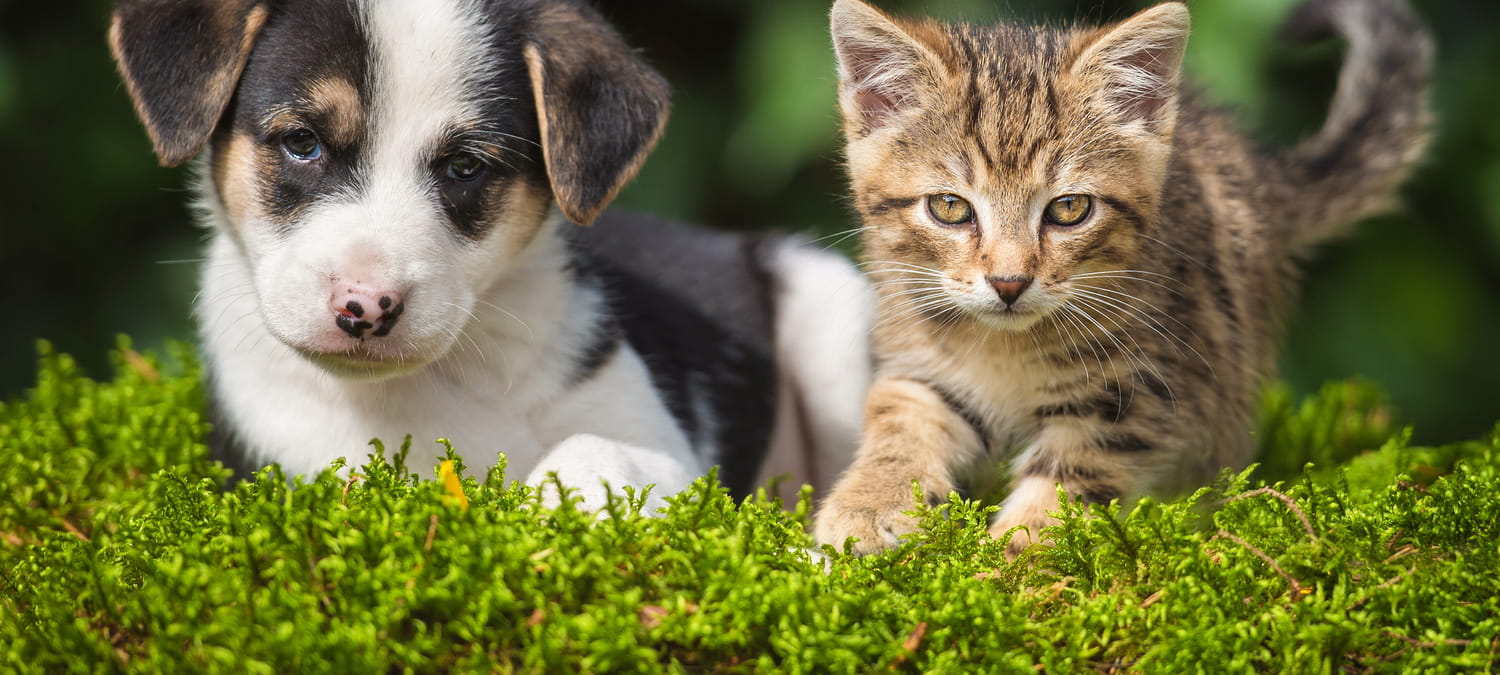
At SNiP Vet, we often hear the same question from pet owners. Why does my puppy or kitten need multiple vaccinations, and why does timing matter so much?
Vaccination schedules are designed to protect young pets during one of the most vulnerable stages of their lives. Puppies and kittens are born with developing immune systems, and while they receive some early protection from their mother, those maternal antibodies fade quickly. If vaccines are not given at the right time and in the right sequence, there can be gaps in protection that leave pets exposed to serious diseases.
Following a proper vaccination schedule helps build strong, lasting immunity, reduces the spread of contagious illness, and supports the overall health of pets across the Phoenix community. At SNiP Vet, we provide affordable, accessible vaccination services so pet owners can give their pets the protection they need from the very beginning. If your pet is due for vaccines, our team is here to help you get started.
This Article will address
- Why puppy and kitten vaccination schedules are important
- How often puppies and kittens need shots
- Typical vaccination timelines from 6–20 weeks
- When pets receive their second set of shots
- Why multiple rounds of vaccines are necessary
- What happens if vaccinations are missed
- Diseases vaccines help prevent
- Safety and expected side effects of vaccines
- Affordable vaccination options in Phoenix, AZ
Why Do Puppy and Kitten Vaccination Schedules Matter?
Vaccination schedules are carefully structured to match how a young pet’s immune system develops. Early in life, puppies and kittens still carry maternal antibodies, which can interfere with vaccines. As those antibodies decline, vaccines become more effective, but only if they are given at the right intervals.
Staying on schedule helps:
- Build immunity step by step
- Prevent gaps in protection between doses
- Protect against serious diseases such as parvovirus, distemper, rabies, FVRCP, and FeLV
- Reduce the risk of spreading illness to other pets and people
Preventive care is one of the most effective ways to avoid costly treatments later. By following a recommended vaccination schedule, pet owners are making a responsible investment in their pet’s long-term health and the well-being of the Phoenix community.
How Often Do Puppies and Kittens Need Shots?
Puppies and kittens typically need vaccinations every 3–4 weeks during their early development.
Most vaccination schedules begin around 6–8 weeks of age and continue until approximately 16-20 weeks. Each visit builds on the previous one, gradually strengthening your pet’s immune response.
Consistency is key. Missing or delaying appointments can interrupt this process and leave your pet vulnerable during a critical window of development.
What Is the Typical Puppy and Kitten Vaccination Schedule?
Puppy Vaccination Timeline
Puppies usually follow a structured schedule that includes:
- 6–8 weeks: Initial vaccines such as distemper and parvo
- 9–12 weeks: Booster vaccines and additional protection based on lifestyle
- 12–16 weeks: Booster vaccines and rabies vaccination
- 16-20 weeks: Final boosters
Some puppies may also receive non-core vaccines, such as Bordetella, depending on their exposure risk. At SNiP Vet, we help determine which vaccines are appropriate based on your dog’s environment and lifestyle.
Kitten Vaccination Timeline from 6–20 Weeks
Kittens follow a similar schedule with vaccines tailored to feline health needs:
- 6–8 weeks: FVRCP vaccine begins
- 9–12 weeks: Booster vaccines and FeLV testing or vaccination if recommended
- 12–16 weeks: Booster vaccines and rabies vaccination
- 16-20 weeks: Final boosters
Even indoor cats benefit from vaccination, as some diseases can be carried into the home. For outdoor or community cats, vaccinations are especially important for both individual and public health.
How Old Is a Puppy or Kitten When They Get Their Second Set of Shots?
Most puppies and kittens receive their second set of vaccinations between 9 and 12 weeks of age.
The exact timing depends on when the first vaccines were given. If a pet starts later, the schedule may shift slightly. What matters most is maintaining the recommended interval between visits to ensure the immune system responds properly.
Why Do Puppies and Kittens Need Multiple Rounds of Vaccines?
Young pets require multiple rounds of vaccines because a single dose does not provide complete protection.
Maternal antibodies can block early vaccines, which is why boosters are necessary. Each round strengthens the immune response and increases the likelihood that the vaccine will be fully effective.
This process is not optional. It is essential for building reliable, long-term immunity during a critical stage of growth.
What Happens If Puppies or Kittens Miss Their Second Shots?
Missing a scheduled vaccination can create a gap in your pet’s protection.
Without timely boosters, your pet may remain vulnerable to highly contagious and potentially life-threatening diseases. In some cases, the vaccination series may need to be restarted to ensure proper immunity.
In a city like Phoenix, where pets are frequently exposed to shared environments such as parks, neighborhoods, and community cat populations, staying on schedule is especially important.
What Diseases Do Vaccines Protect Puppies and Kittens From?
Vaccines protect against several serious and highly contagious diseases.
For puppies, common vaccines help prevent:
- Parvovirus
- Distemper
- Rabies
- Bordetella
For kittens, vaccines commonly protect against:
- FVRCP, which includes feline viral rhinotracheitis, calicivirus, and panleukopenia
- Feline leukemia virus (FeLV)
- Rabies
These diseases can spread quickly and may lead to severe illness or death. Vaccination is the most effective way to reduce risk.
Are Vaccinations Safe for Puppies and Kittens?
Vaccinations are considered very safe for puppies and kittens when administered by trained veterinary professionals.
Most pets experience only mild side effects, such as temporary soreness or fatigue. Serious reactions are rare, but it is important to monitor your pet after their appointment.
At SNiP Vet, we follow safe, standardized protocols and take the time to ensure each pet receives appropriate care based on their age, health, and needs.
What Should You Expect After Your Pet’s Vaccinations?
After vaccination, it is normal for pets to experience mild, short-term symptoms such as:
- Slight soreness at the injection site
- Mild fatigue or decreased activity
These symptoms typically resolve within a day or two. If you notice more severe reactions, such as swelling, vomiting, or difficulty breathing, you should contact a veterinary professional right away.
Our team provides clear aftercare guidance so you know what to expect and how to support your pet’s recovery.
Affordable Puppy and Kitten Vaccinations
At SNiP Vet, we believe that every pet owner should have access to high-quality preventive care.
We offer affordable vaccination services with transparent pricing and a streamlined process that makes it easy to stay on schedule. In addition to vaccinations, we provide services such as microchipping, testing, and spay and neuter procedures, allowing you to manage your pet’s health in one convenient place.
Our goal is to support both individual pet owners and the broader community by making essential care accessible and straightforward.
Protect Your Puppy or Kitten with the Right Start
Vaccination schedules are one of the most important steps you can take to protect your puppy or kitten. By following the recommended timeline, you help your pet build strong immunity, avoid preventable diseases, and enjoy a healthier future.
SNiP Vet is proud to provide affordable, high-quality veterinary services to pet owners throughout Phoenix. If your puppy or kitten is ready for vaccinations or needs to get back on schedule, contact our team today to book your visit and give your pet the protection they deserve.
Sources
American Veterinary Medical Association
American Animal Hospital Association
Centers for Disease Control and Prevention

